 Facebook
 Instagram
 Twitter
 Youtube
 TikTok
 Newsletter Subscribe
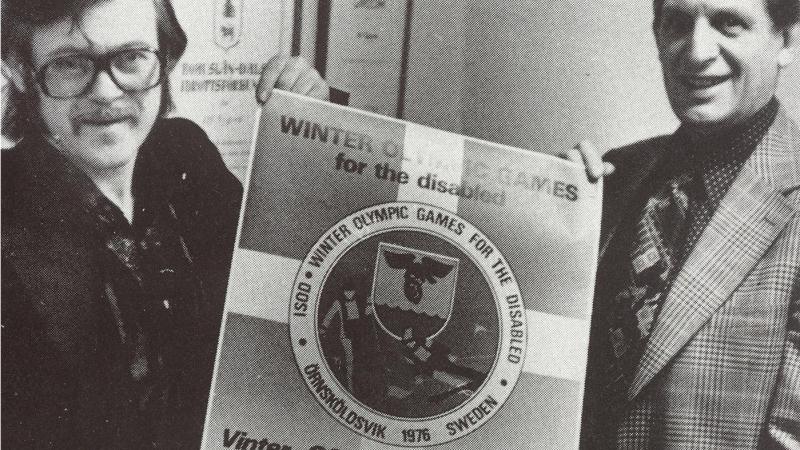
ORNSKOLDSVIK 1976 PARALYMPIC WINTER GAMES
Winter sports for athletes with physical disabilities gradually emerged after World War II, as large numbers of injured soldiers and civilians tried to return to their skiing activities.
Early pioneers, such as double-leg amputee Sepp Zwicknagl from Austria, experimented with skiing using prostheses. Other innovations were seen in ski equipment design, such as three-track skiing using crutches. This led to the first course in three-track skiing in February 1948 that included 17 participants from all over Austria.
By the 1970s, cross-country skiing competitions began, and in 1974, the first-ever world championships were held in Grand Bornand, France. They featured alpine and Nordic competitions for athletes with amputations and vision impairments.
This eventually led to the first Paralympic Winter Games in 1976 which attracted 198 Para athletes (161 men and 37 women) from 16 countries who competed in two sports and 53 medal events. West Germany topped the medals table.
SPORTS
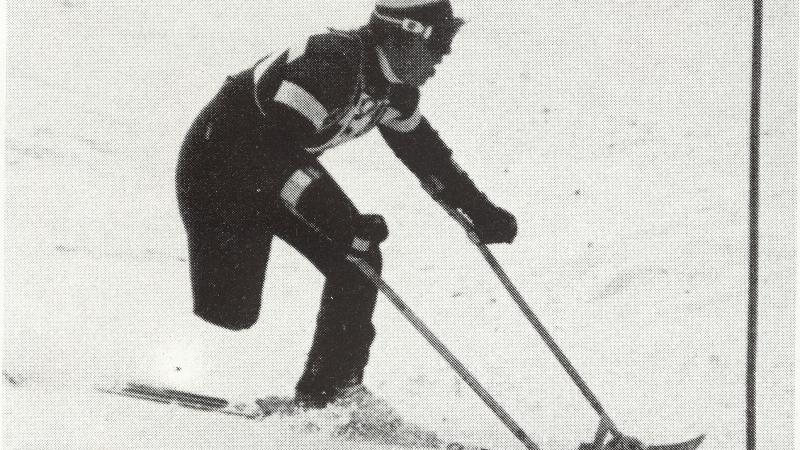
At the first Paralympic Winter Games, competitions were held in alpine and cross-country skiing for amputee and vision impaired athletes. A demonstration was also held in ice sledge racing.
MEDALS
At the first Paralympic Winter Games, Germany and Switzerland tied for the most gold medals with 10 apiece. Finland finished with eight, Norway with seven and Sweden with six.