 Facebook
 Instagram
 Twitter
 Youtube
 TikTok
 Newsletter Subscribe
TOKYO 1964 PARALYMPIC GAMES
His Imperial Highness Prince Akihito and Princess Michiko oversaw the Tokyo 1964 Paralympics which drew together 378 Para athletes from 21 countries. In total there were 144 medal events across nine sports.
SPORTS
Wheelchair racing, in the form of a 60m race for men and women, was added to the competition schedule in 1964, which included a total of nine different sports.
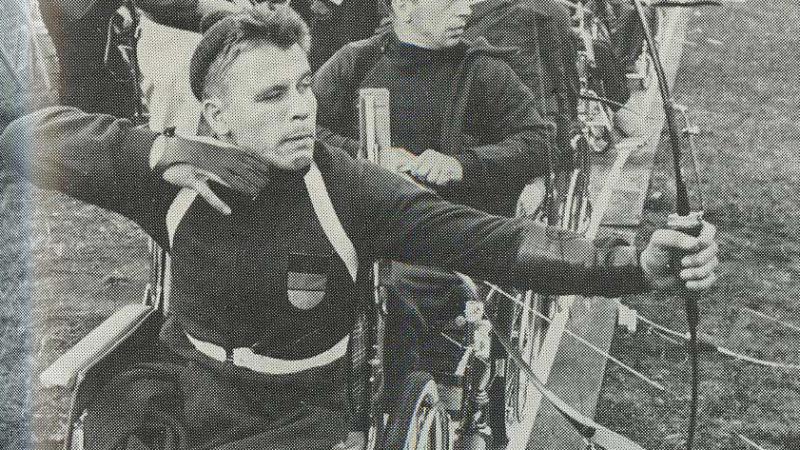
The nine sports featured at the Games were; archery, Para athletics, dartchery, snooker, Para swimming, table tennis, weightlifting, wheelchair basketball and wheelchair fencing.
OPENING CEREMONY
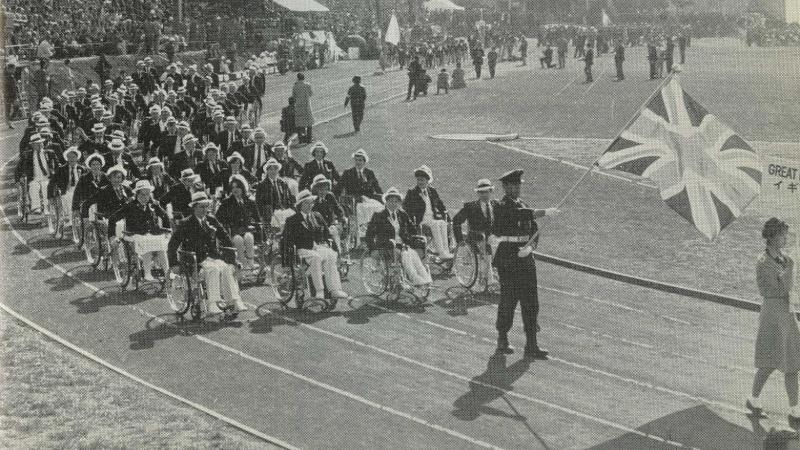
The Opening Ceremony was held at the Oda Field located within the Olympic village, as nearly 5,000 spectators looked on. The patrons of the Games, His Imperial Highness Prince Akihito and Princess Michiko, were in attendance.
MEDALS
USA dominated the medal standings, taking home a total of 123 medals – 50 of them gold. Great Britain finished in second, followed by Italy, Australia and Rhodesia.
OUTSTANDING PERFORMANCES
Zimbabwe’s Margaret Harriman (archery), France’s Serge Bec (fencing) and Great Britain’s Dick Thompson, USA’s Ron Stein and South Africa’s Daniel Erasmus (athletics) highlighted the Games with their stellar performances.
ATTENDANCE AND COVERAGE
The local and national press, both radio and television, responded with intense coverage after the Organising Committee’s earlier worries that it might be difficult to create media interest because of the focus on the Olympic Games.
CLOSING CEREMONY
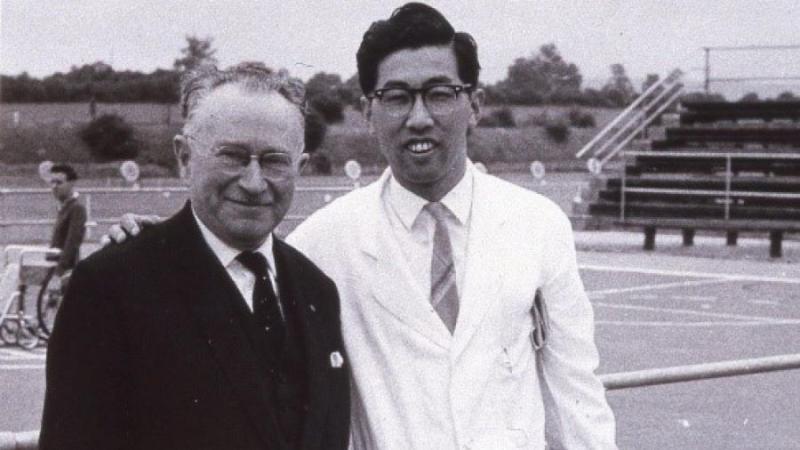
A capacity crowd of 5,000 cheered on the competitors at the Closing Ceremony on 12 November in the National Gymnasium. In attendance were the Crown Prince and Princess, Sir Ludwig Guttmann, the representative of the Prime Minister of Japan, the Minister of Health and the Governor of Tokyo.