
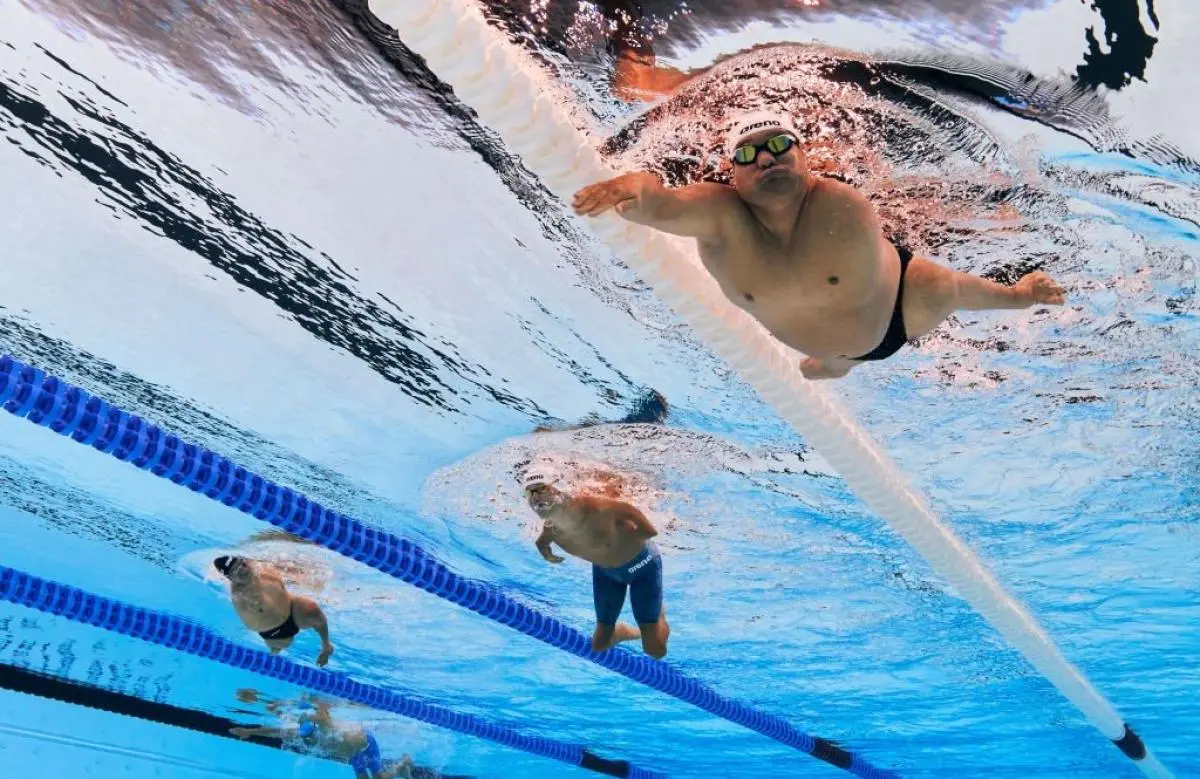
World Para Swimming Championships to return to Mexico in 2027
Brisbane 2032 Olympic and Paralympic Games Emblems celebrated
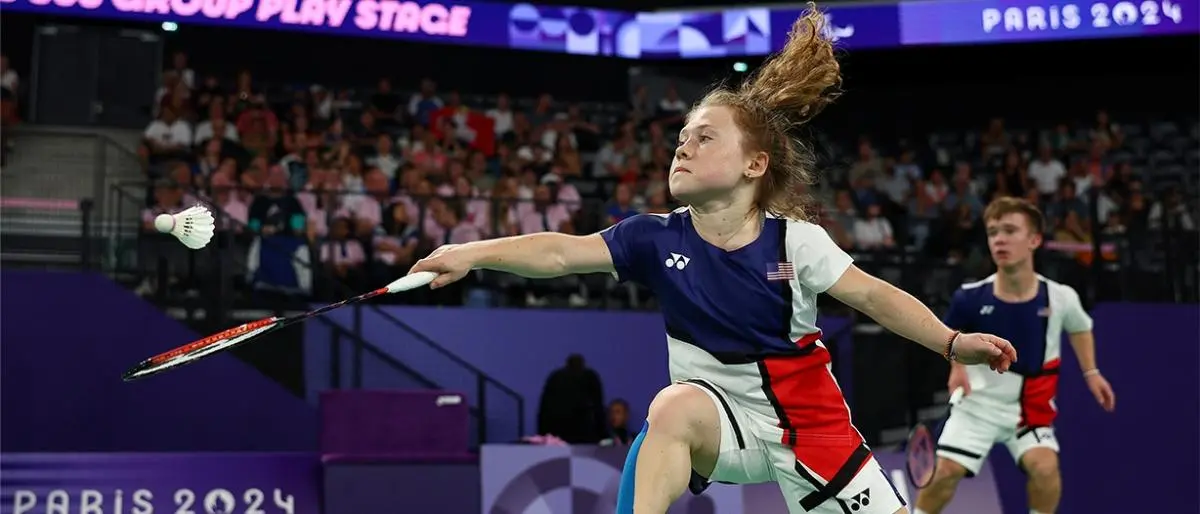
Para badminton rising star Jayci Simon aims to sparkle at LA28
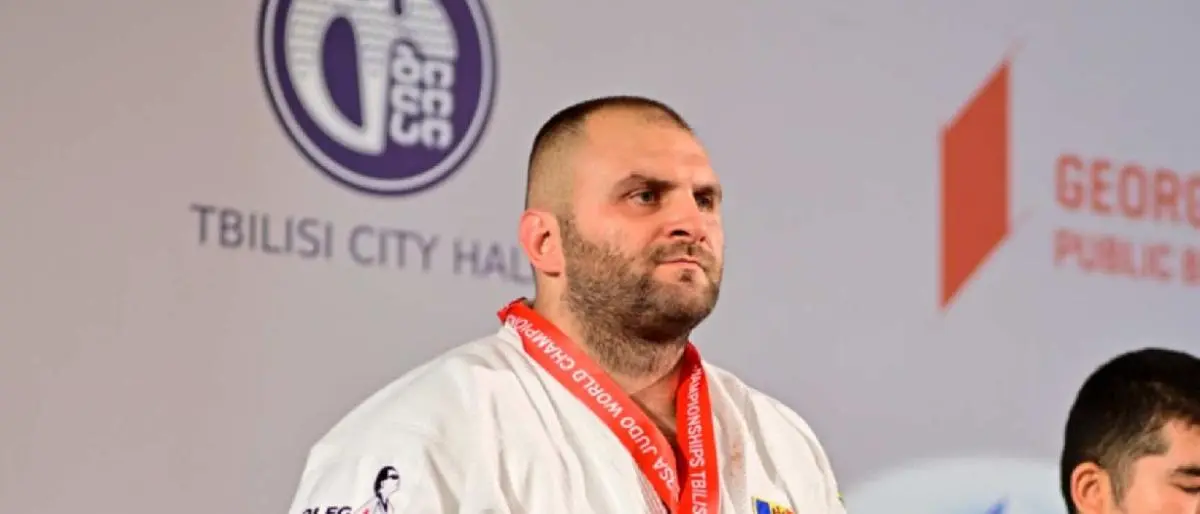
Historic gold for Moldova at IBSA Judo Worlds
IPC launches series of Sport for Mobility animated films
TOP STORIES

🌎 Rio 2016 - A Decade of Legacy | Ep 2: How The Games Made Rio More Accessible
Rio 2016 is celebrating 10 years! In this episode of A Decade of Legacy, we explore how the Rio 2016 Paralympic Games helped create a more accessible and inclusive city. From accessible public transport and improved urban mobility to tourism, hotels and iconic landmarks such as Christ the Redeemer and Sugarloaf Mountain, Rio 2016 became a catalyst for change far beyond the field of play. Through exclusive interviews with athletes, accessibility experts and leaders of the Paralympic Movement, discover how the Games helped challenge perceptions of disability, improve accessibility and inspire lasting social change. Ten years later, the impact of Rio 2016 can still be seen across the city and throughout Brazil. Watch Episode 1 to discover how Rio 2016 transformed Paralympic sport in Brazil and across Latin America. Read more about the legacy of the Rio 2016 Paralympic Games

Debrunner shatters marathon world record in Chicago
Swiss Paralympic champion cuts one minute off her own mark to claim a third Chicago title as Marcel Hug wins the men's race

Refugee Para athletes flourish on the world stage
Two members of the Paris 2024 Refugee Paralympic Team have won international medals in 2026. IPC seeks potential refugee Para athletes to compete at LA28.
Games News
View more


General News
View more




About the Paralympic Games
The Paralympic Games are the largest global sporting event for athletes with disabilities and have taken place every four years since the inaugural edition in Rome, Italy, in 1960. In 1976, the first Winter Games were held in Ornskoldsvik, Sweden and featured 198 athletes from 16 countries.
Following the 1988 Games in Seoul, Republic of Korea, and the Winter Games in Albertville, France in 1992, the Paralympic and Olympic Games have been held in the same city. The next Paralympic Games will be held in LA in 2028 followed by Brisbane in 2032. The next winter edition is Milano Cortina 2026 with the French Alps to follow in 2030 and Salt Lake City in 2034.

About the IPC
The International Paralympic Committee (IPC) is the global governing body of the Paralympic Movement. Founded on 22 September 1989 as a non-profit organisation, we aim to be athlete-centred and membership-focussed in all our endeavours.
Through partnerships with more than 200 member organisations, we leverage Para sport to advance the lives of the 1.2 billion individuals with disabilities across the globe.
Paralympics history
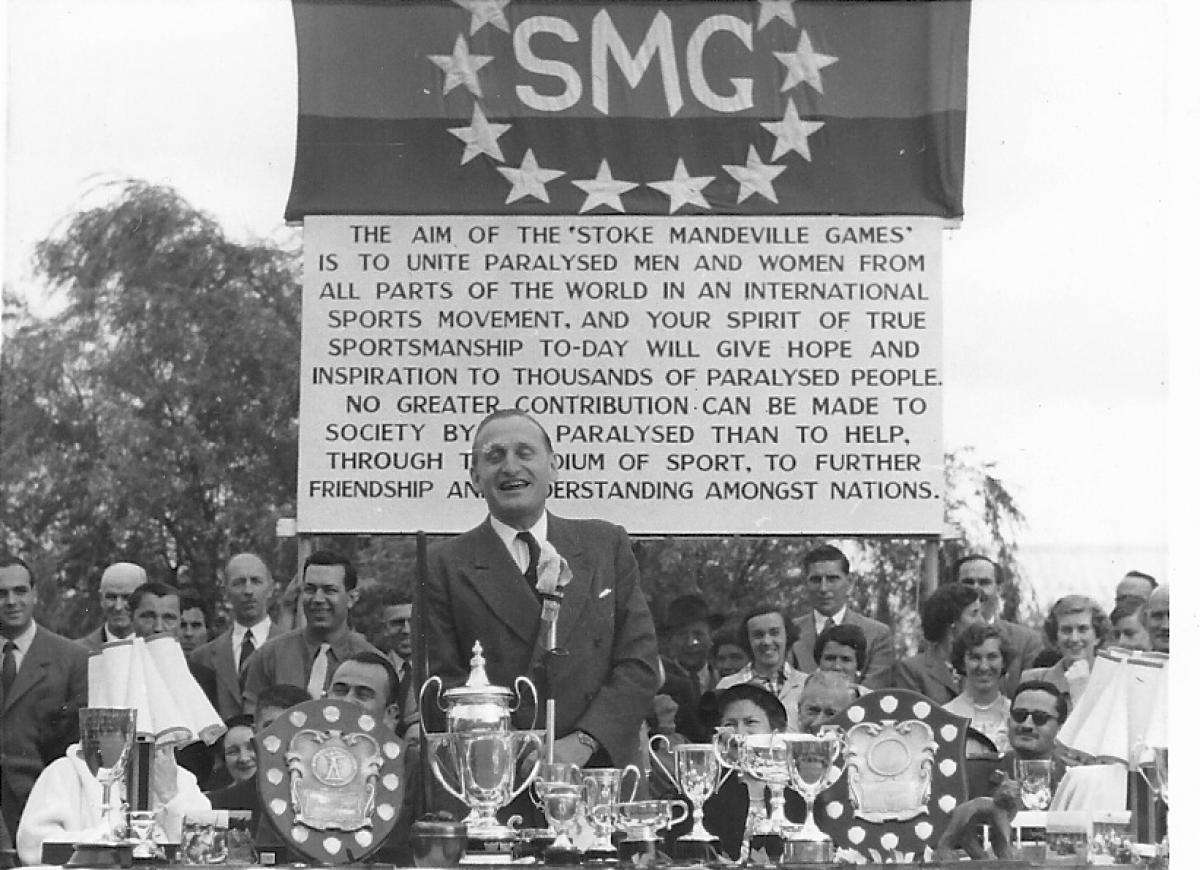
Sport for athletes with an impairment has existed for more than 100 years. It was not until after World War II, however, that it was widely introduced. The purpose of it at that time was to assist the large number of war veterans and civilians who had been injured during wartime.
On 29 July 1948, the day of the Opening Ceremony of the London 1948 Olympic Games, Dr. Ludwig Guttmann organised a competition for wheelchair athletes at the Stoke Mandeville Hospital in Great Britain. Sixteen injured servicemen and women took part in archery at the inaugural Stoke Mandeville Games, which later became the Paralympic Games.

What is classification?
Classification is the cornerstone of the Paralympic Movement; it determines which athletes are eligible to compete in a sport and how athletes are grouped together for competition. In Para sports, athletes are grouped by the degree of activity limitation resulting from the impairment. This, to a certain extent, is similar to grouping athletes by age, gender or weight.
Classification aims to minimise the impact of the impairment on athletes' performance so that the sporting excellence determines which athlete or team is ultimately victorious. Ensuring that athletes are classified prior to competing is crucial to safeguarding the integrity and credibility of the competition.
What are the Paralympic sports?
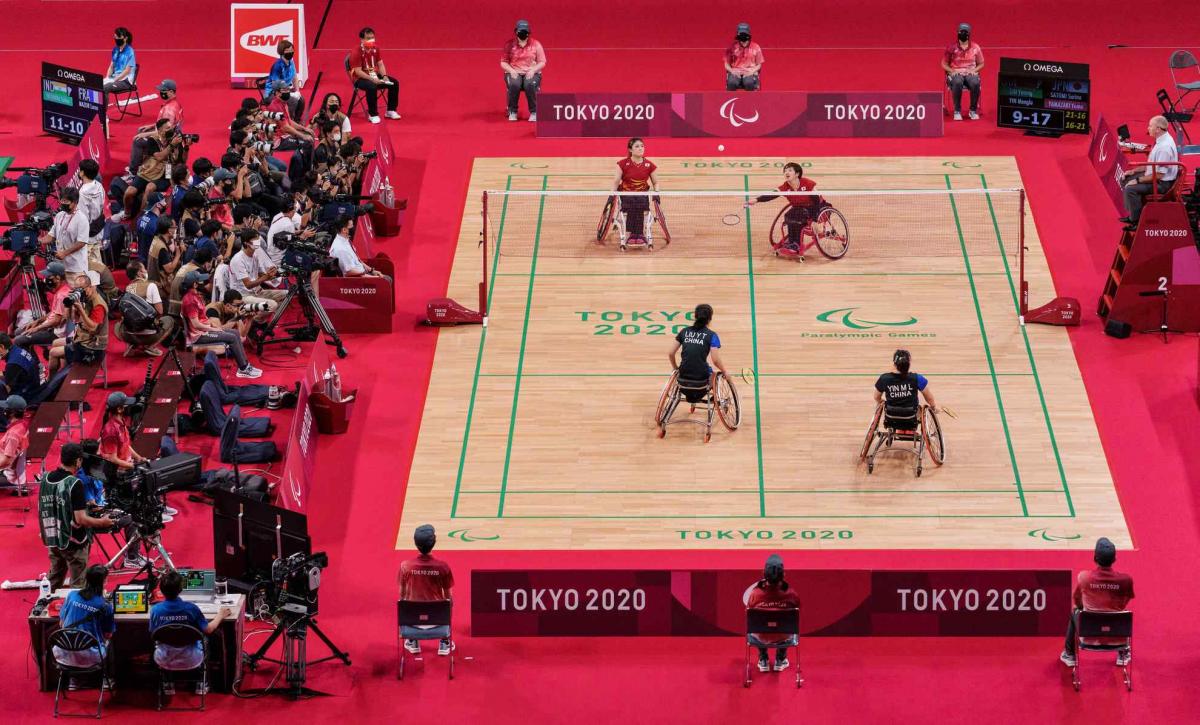
The International Paralympic Committee (IPC) recognises a total of 28 Paralympic sports. The 22 summer sports are Para archery, Para athletics, Para badminton, blind football, boccia, Para canoe, Para cycling, Para equestrian, goalball, Para judo, Para powerlifting, Para rowing, shooting Para sport, sitting volleyball, Para swimming, Para table tennis, Para taekwondo, Para triathlon, wheelchair basketball, wheelchair fencing, wheelchair rugby, and wheelchair tennis.
Winter sports include Para alpine skiing, Para biathlon, Para cross-country skiing, Para ice hockey, Para snowboard, and wheelchair curling.