

Medical - Mental Health
Mental health is a fundamental part of overall health and well-being. According to the World Health Organization, mental health is a state of well-being in which individuals can realise their abilities, cope with everyday stresses, work productively, and contribute to their community. Mental health is not simply the absence of illness — it exists on a spectrum and can change over time.

Everyone, including athletes and athlete support personnel, may experience periods of psychological difficulty. Seeking support early is encouraged and reflects good self-care and professional practice.
Mental Health and Sport
Sport can have a positive impact on mental health. Participation in sport can foster a sense of purpose, belonging, confidence, and enjoyment, while supporting physical and social well-being.
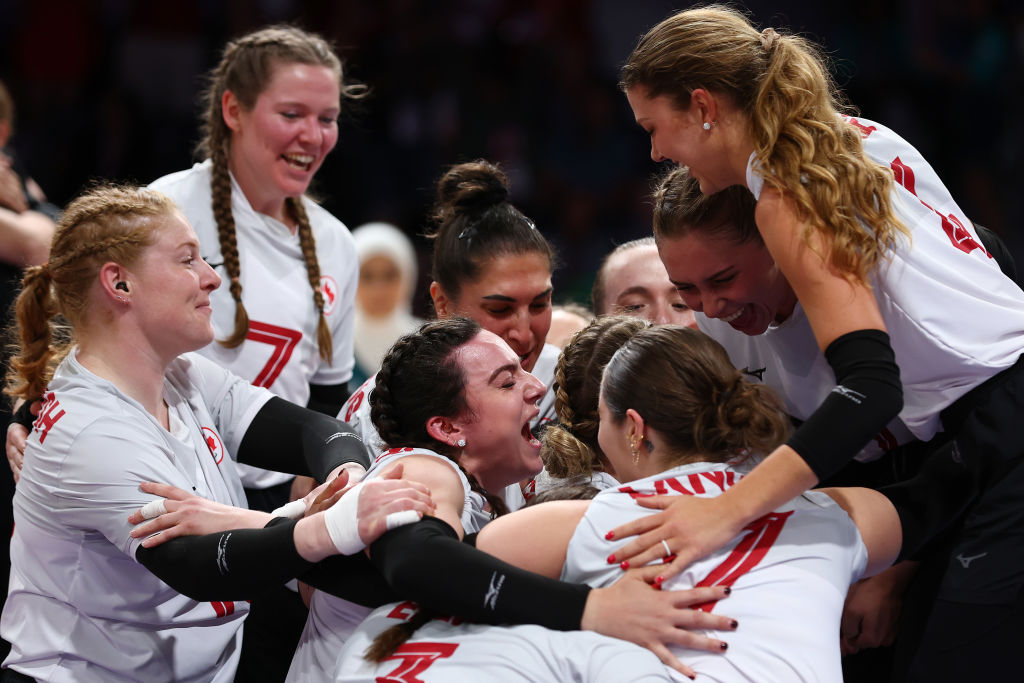
At the same time, high-performance sport can place significant psychological demands on athletes. Paralympic athletes may experience sport-specific, disability-related, and environmental stressors that can affect mental health and overall well-being.
Common sport-related stressors include:
- Performance pressure and expectations
- Injury, illness, or fear of re-injury
- Overtraining, fatigue, and burnout
- Travel demands, time zone changes, and extended periods away from home
- Selection, classification, and career transitions
Disability-related and environmental stressors may include:
- Barriers to participation and accessibility
- Experiences of stigma, discrimination, or exclusion
- Social isolation or reduced support networks
- Challenges balancing sport, work, education, and personal life
Experiencing these stressors does not indicate weakness. They reflect the complex realities of elite Paralympic sport and highlight the importance of accessible, trusted support systems.
Recognising Mental Health Symptoms
Mental health challenges can arise at any stage of life. Symptoms vary from person to person and may be visible or invisible to others.
Symptoms may include:
- Persistent stress, anxiety, or low mood
- Changes in sleep, appetite, or energy levels
- Difficulty concentrating or coping with daily demands
- Withdrawal from teammates, training, or social activities
- Increased irritability or emotional outbursts
- Reduced motivation to train or compete
More serious symptoms may include suicidal thoughts, post-traumatic stress reactions, severe mood changes, or problematic use of alcohol or other substances.
Mental health concerns can affect performance, increase injury risk, delay recovery, and impact quality of life. With timely and appropriate support, these impacts can often be reduced or prevented.
Athletes are encouraged to seek support as early as possible if they are experiencing mental health concerns or if something does not feel right.
Support may be accessed through:
- Team medical or mental health professionals
- Coaches or trusted athlete support personnel
- National Paralympic Committee medical services
Mental health support forms part of the IPC’s broader commitment to athlete well-being and psychological safety, alongside safeguarding measures designed to ensure sport environments are respectful, inclusive, and free from harm.
During the Paralympic Games, mental health support is integrated within the wider medical and safeguarding framework.
Recognising Mental Health Concerns in Sport
The International Olympic Committee’s Sport Mental Health Recognition Tool 1 (SMHRT-1) is designed to help athletes, coaches, family members, and members of the athlete entourage recognise potential mental health concerns in sport settings. The tool supports early recognition of changes in thoughts, emotions, behaviours, or physical well-being and is not intended for diagnosis.
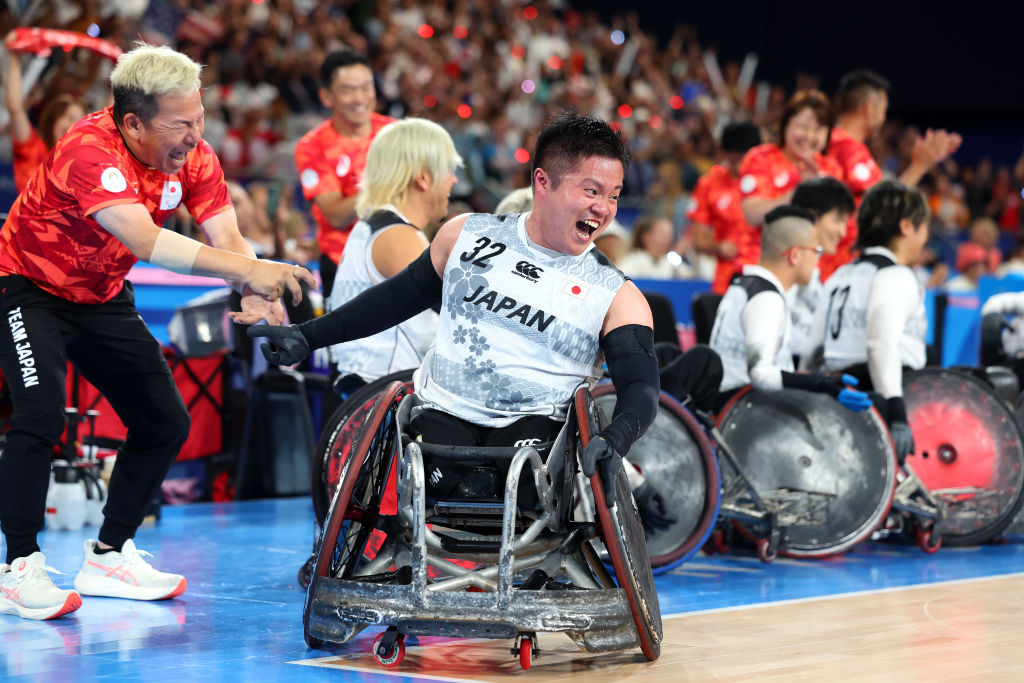
When such experiences are significant or persistent, early support and referral to appropriate professionals is encouraged. The SMHRT-1 is available for non-commercial use. Any changes, translations, or rebranding require approval or notification through the IOC Mental Health Working Group.
The SMHRT-1 can be accessed here.
Further Resources:
- IOC Mental Health in Elite Athletes IOC Consensus Statement (2019)
- IPC safeguarding and well-being resources
- IOC Mental Health in Elite Athlete Toolkit
- IOC Sport Mental Health Recognition Tool
- National and local mental health services
Mental Health and Safeguarding Support at the Paralympic Games

Competing at the Paralympic Games is a unique and rewarding experience, but it can also place significant psychological demands on athletes and their entourages. High performance expectations, intense competition, media attention, social media exposure, and time spent away from usual support networks may contribute to increased stress and emotional pressure.
Mental health challenges can emerge even with strong preparation and established support systems in place. The Games environment may intensify both positive and difficult emotions, making access to timely, appropriate, and confidential support especially important.
As part of its commitment to athlete well-being and psychological safety, the IPC works with partners to ensure that a comprehensive range of mental health and safeguarding support services are available throughout the Paralympic Games period.
Games-Time Mental Health and Safeguarding Support
Mental health support at the Paralympic Games is integrated within the broader medical and safeguarding framework. Available services are designed to support early recognition of concerns, provide access to professional assistance, and promote a safe, respectful, and inclusive environment for all accredited participants.
The following programmes and services may be available during the Games:
Cyber Abuse Protection System
The Cyber Abuse Protection System supports the well-being of Games participants by helping to reduce exposure to online abuse during periods of heightened public visibility.
The system monitors public social media platforms in real time to identify abusive, threatening, or harmful content directed at accredited athletes, entourage members, and officials.
Key features include:
- Monitoring of public posts across major social media platforms
- Identification of harmful content in multiple languages
- Use of open-source, publicly available information only
- Reporting of content that violates platform policies
Athlete Powerade Mind Zone
The Athlete Powerade Mind Zone is a dedicated space within the Paralympic Athlete Village designed to support mental recovery, preparation, and emotional well-being.
The Mind Zone provides a calm and restorative environment where athletes and accredited entourage members can step away from competition demands. Activities may include Virtual Reality (VR) mindfulness and visualisation experiences, relaxation, creative or reflective practices, guided breathing exercises, and other well-being initiatives.
Trained Games staff and/or volunteers are present on site, with IPC medical personnel available at scheduled times to provide additional support and facilitate referral pathways where appropriate.

The Mentally Fit Helpline
The Mentally Fit Helpline is a free, confidential mental health support service for accredited Paralympic athletes, available before, during, and after the Games. It complements on-site psychological and psychiatric services in the Village Polyclinic.
The helpline offers:
- 24-hour availability, 7 days a week
- Support in more than 70 languages
- Professional counselling for both sport-related and personal concerns
- Independence from teams, coaches, and sporting organisations
- Flexible support – short-term counselling, crisis support, and referral guidance

Topics Supported
The helpline covers a wide range of issues, including:
- Managing pressure, stress, or burnout
- Injury, illness, or career transitions
- Anxiety, low mood, or depression
- Disordered eating
- Bullying, harassment, or abuse
- Balancing sport with home, work, or education
Access
Athletes can reach the helpline via phone or messaging platforms provided through official Games communication channels. Support continues after the Games to ensure ongoing care.
The Mentally Fit Helpline is a trusted, immediate resource to support athlete well-being, encourage early help-seeking, and promote psychological safety throughout the Games.

Integrated Safeguarding and Support
Mental health services operate alongside IPC safeguarding measures, including reporting mechanisms for safeguarding concerns. Together, these programmes aim to foster psychological safety, early access to support, and a Games environment that is safe, respectful, and inclusive.
Athletes and entourage members are encouraged to access support early and use available services whenever concerns arise.