

The Vancouver 2010 Paralympic Winter Games brought together 502 Para athletes (381 men and 121 women) from 44 countries. They competed in 64 medal events across five sports.
The Games attracted a cumulative TV audience of 1.6 billion and 230,000 spectators. Germany topped the medals table ahead of Russia and hosts Canada.
COMPETING NATIONS AND ATHLETES
The Vancouver 2010 Paralympic Winter Games attracted 502 Para athletes (381 men and 121 women) from 44 countries.
Three nations made their Paralympic Winter Games debut – Bosnia and Herzegovina, Romania and Serbia.
USA boasted the biggest delegation with 49 athletes, followed by hosts Canada (46) and Japan (41).
With 14 athletes, Canada had the biggest female delegation.
Top Videos
SPORTS
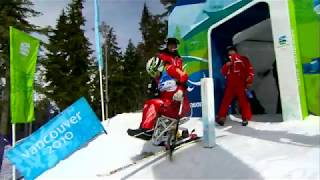
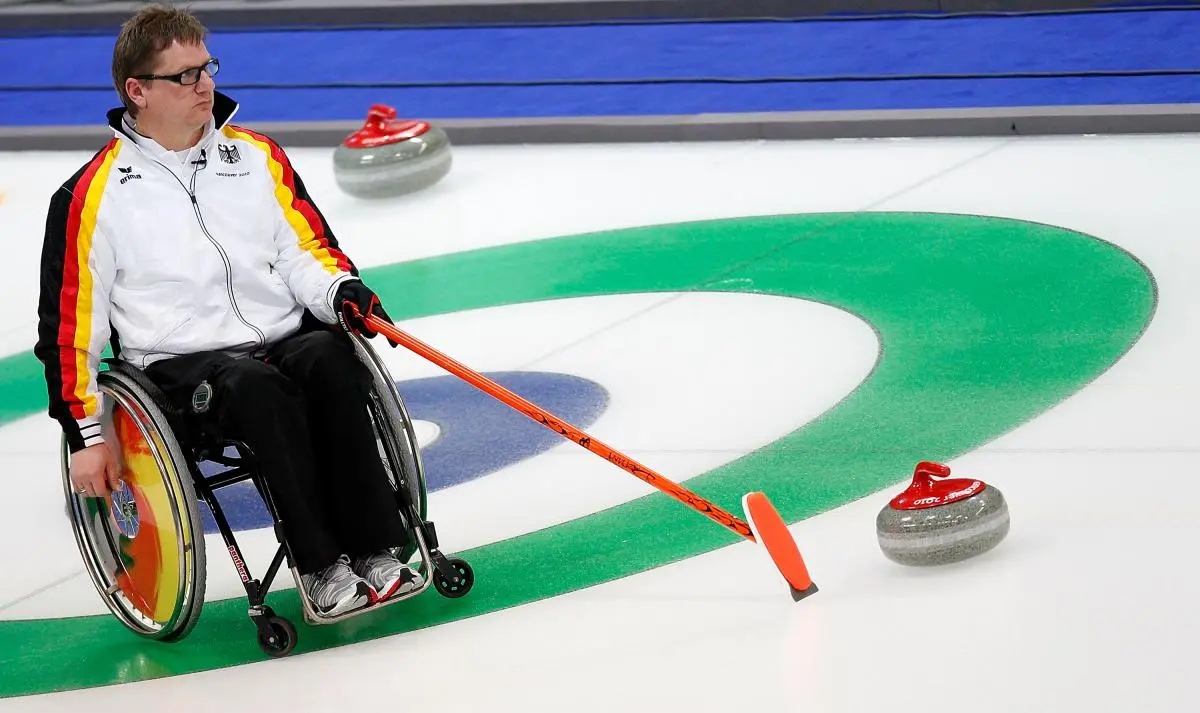
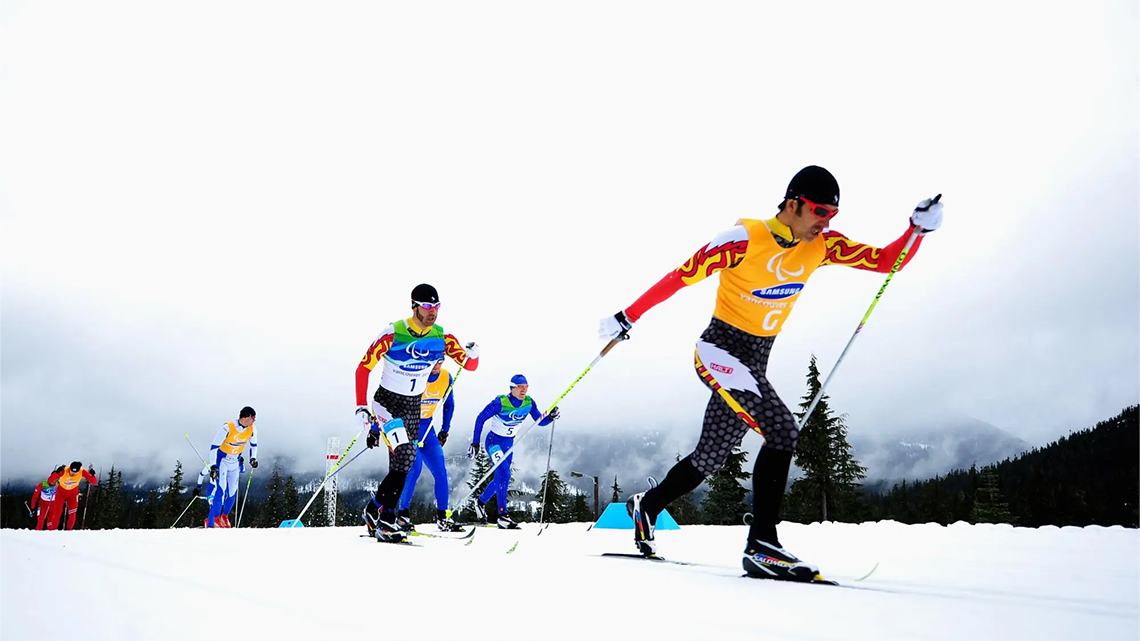
Para ice hockey and wheelchair curling competitions were held in Vancouver, Para alpine skiing took place in Whistler Creekside and the Para biathlon and Para cross-country skiing events were staged at Whistler's Paralympic Park.
Para alpine skiing featured 30 medal events with super combined added to the Games programme for the first time. A total of 191 Para athletes from 37 countries competed in the sport.
There were 12 medal events in Para biathlon with 95 Para athletes competing from 18 counties, while the 20 Para cross-country skiing medal events saw 142 Para athletes from 23 countries take part.
Eight nations contested the Para ice hockey competition and 10 countries the wheelchair curling medal event.
©Kevin C. Cox/Getty Images
OUTSTANDING PERFORMANCES
Canada's Lauren Woolstencroft and Germany's Verena Bentele were the most successful Para athletes at the Games, each winning five gold medals apiece.
Bentele excelled winning gold in all individual Para biathlon and Para cross-country skiing events, while Woolstencroft became the first athlete in history to win five from five on the alpine slopes following the addition of super combined to the Games.
German alpine skier Gerd Schoenfelder and Russian cross-country skier Irek Zaripov each won four gold medals and one silver medal in their respective events.
Russia's Nikolay Polukhin won the most medals – one gold, four silvers, and one bronze – in Para biathlon and Para cross-country skiing.
Results
Germany finished atop the medal standings with 13 gold medals and 24 overall. Russia came in second, while host nation Canada had an impressive third-placed showing.
A total of 21 of the 44 competing nations made the medals table with 15 winning at least one gold medal.
Germany topped the medals table in Para alpine skiing, while Russia dominated Para biathlon and Para cross-country skiing.
Despite being the host nation and the defending champions, Canada's Para ice hockey team fell in the semi-finals to a very strong Japanese squad. In the finals, team USA took the gold medal, leaving Japan with the silver. Norway beat the host nation to bronze.
Host nation Canada took the gold medal in wheelchair curling, while Korea won the silver and Sweden the bronze.


Paralympic Torch Relay
More than 600 torchbearers proudly carried the flame during the Vancouver 2010 Paralympic Torch Relay. The torch visited 11 communities across Canada in 10 days, leading to a 24-hour long circular relay through downtown Vancouver before the Paralympic Cauldron was lit at BC Place.
OPENING CEREMONY
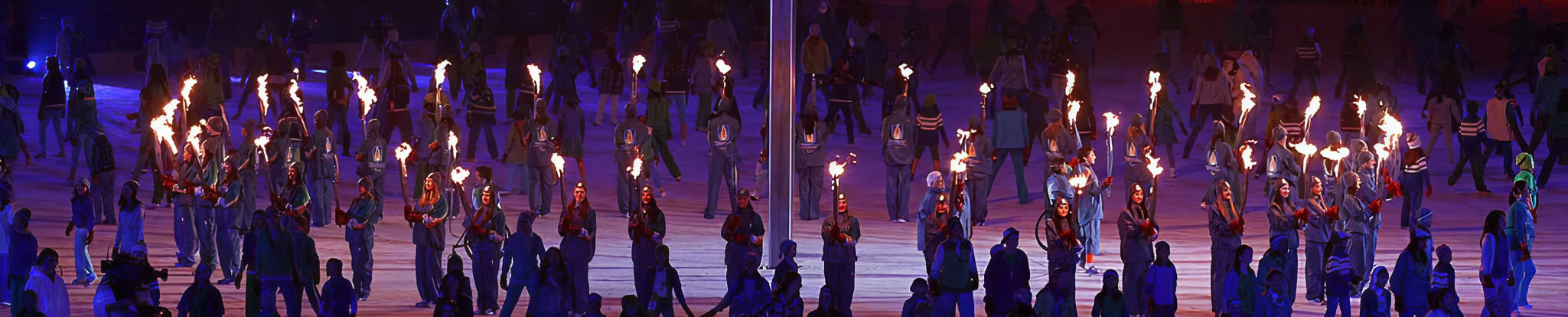
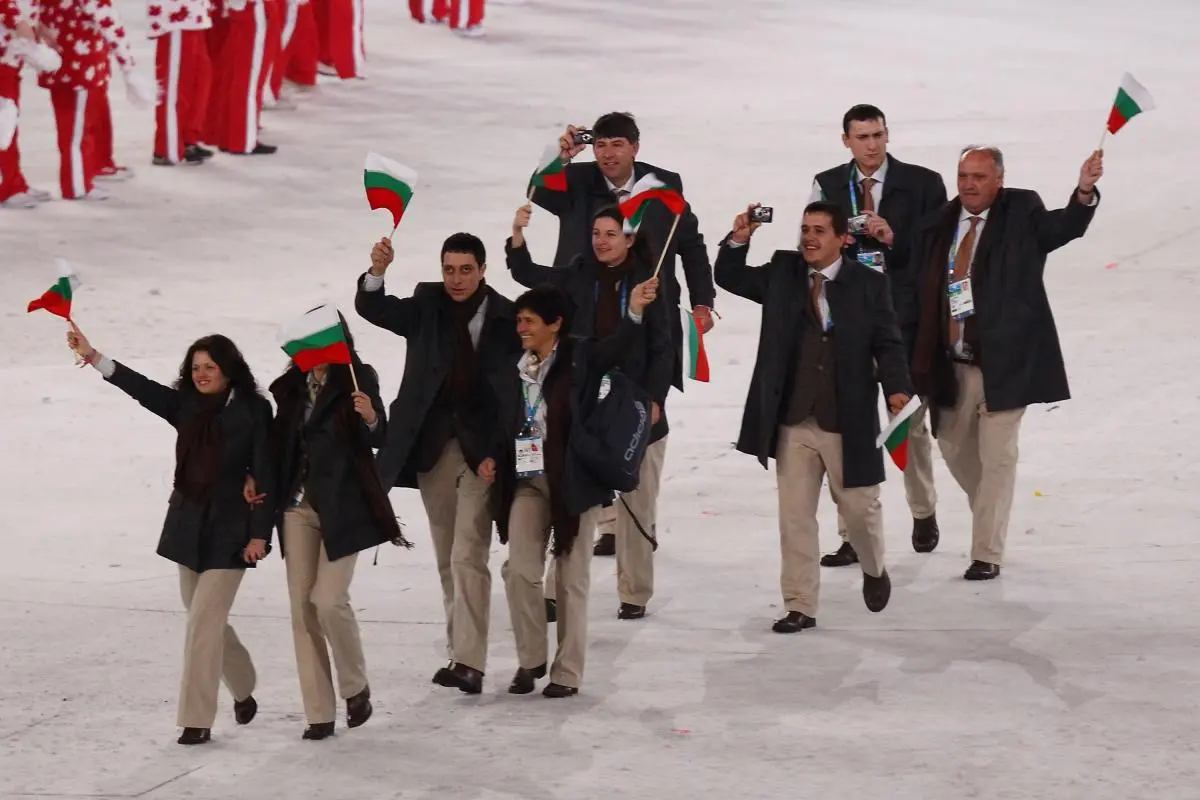
A sell-out crowd of 60,000 viewed the Vancouver 2010 Paralympics Opening Ceremony, which featured hip-hop dancer Luca "Lazylegz" Patuelli and had a theme titled, "One inspires many." The crowd gave a thunderous ovation as athletes from 44 nations walked or wheeled into BC Place.
©Getty Images
CLOSING CEREMONY
Athletes paraded through cheering supporters lining Whistler's Village Stroll on their way to the Vancouver 2010 Paralympics Closing Ceremony, which took place on 21 March. The ceremony featured a performance by Quebec's La Bottine Souriante and Inuit throat singer Tanya Tagaq.

©Lieven Coudenys
ATTENDANCE AND COVERAGE
With sales reaching 230,000 the Vancouver 2010 Games set a new Paralympic Winter Games record for tickets sold.
Nearly 1,200 broadcast and media representatives covered the Games – an increase of 12 per cent from the previous Games edition. Japan had the biggest cumulative audience with almost 538 million viewers, followed by Germany, which had nearly 400 million viewers.
Para alpine skiing proved to be the most popular sport among viewers, garnering a total cumulative audience of more than 690 million.
The IPC's own online television channel, www.ParalympicSport.TV, provided live stream to more than 437,000 viewers during competition time.
©Jamie McDonald/Getty Image
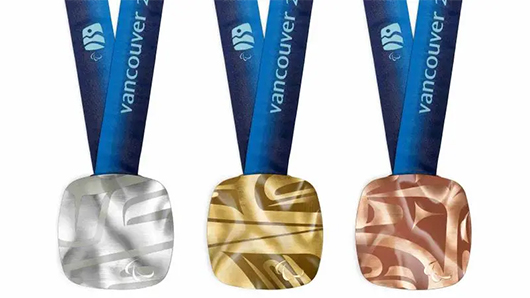
Medals
The Vancouver 2010 Paralympic Winter Games showcased medals designed as a rounded square rather than the traditional circle shaped medal.
Two designers, Corrine Hunt and Omer Arbel were chosen through a nationwide design competition, and were asked to work together to develop the Vancouver medal. Corrine Hunt, of Komoyue and Tlingit heritage, created the pattern on the medal inspired by traditional First Nations imagery. She was inspired by a raven which symbolises determination, creativity, wisdom and transformation.
Omer Arbel relied on his expertise in industrial design and architecture to carefully craft the medals. During manufacturing, each medal was struck nine times to form the rounded square, ensuring they were entirely unique from one another. This pattern also referenced ocean waves and snow on mountains across the Canadian landscape.

Mascot
Sumi is the adorable animal guardian mascot of the Vancouver 2010 Paralympic Winter Games. Sumi is a combination of mythical creatures. Sumi wears the hat of an orca whale, and has the wings of a thunderbird and the legs of a black bear. Sumi was named after “Sumesh”, the Salish word meaning guardian spirit.
Sumi was designed by Vicki Wong and Michael Murphy from Meomi Design, who were chosen from a list of 177 contenders.
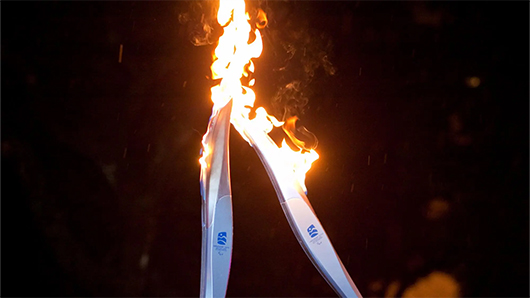
Torch
The Vancouver 2010 Paralympic Torch is a minimalist, smooth metallic curve that was carried between the two coasts of Canada over the course of 10 days.
It represents the Canadian landscape with its soft light blue colour, similar to snow. The vertical lines along the torch mimic those left on snow by Paralympic athletes. The face of the torch features the Games’ slogan in English and French: “With Glowing Hearts”, alongside the Paralympic emblem. The flame emerges from a red maple leaf cutout at the top of the torch.
Bombardier designed the Games torch to withstand temperatures between –50 degrees Celsius and 40 degrees Celsius in rain, snow and wind.
Vancouver 2010 News
View more
Down memory lane: Vancouver 2010, the milestone Games
Nearly 1,200 media representatives covered the Games – an increase of 12 percent from the previous Paralympics

Romania: Seven facts on the Sochi 2014 Paralympics
Romania will make its second appearance at a Paralympic Winter Games in Sochi

Vancouver 2010: A look back
To honour the third anniversary of the Vancouver 2010 Paralympic Winter Games on Thursday (21 March), here’s a look back at the numbers and top performers.

Canada’s Forest retires from Paralympic career
Three-time Paralympic champion Viviane Forest of Canada announced her retirement this past week.

Vancouver 2010 refresher
Heading into Sochi 2014, look back at all the medal winners from the Vancouver 2010 Paralympics.

Briscoe named ParalympicsGB Chef de Mission for Sochi 2014
BPA Performance Director Penny Briscoe will lead the British team into the Sochi 2014 Paralympic Winter Games.